
The Rise of the Personal Curriculum: Reclaiming Learning in the Digital Age

Ready to Learn

In an era defined by endless scrolling, algorithm-driven content, and fragmented attention, a surprising countertrend has emerged: the “personal curriculum.” What began as a niche social media idea has quickly evolved into a broader cultural movement centered on intentional learning, curiosity, and self-directed growth. Rather than passively consuming information, individuals are now designing their own “syllabi for life,” choosing what, how, and why they learn.

This blog post explores the origins of the personal curriculum trend, how to create one, its benefits, and key resources to help you begin.


So Much to Study!

What Is a Personal Curriculum?

A personal curriculum is a self-designed learning plan built around your interests, goals, and curiosities. Unlike traditional education systems, it is not tied to grades, credentials, or institutional requirements. Instead, it emphasizes intrinsic motivation—learning for the sake of growth, enjoyment, and personal enrichment.

At its simplest, a personal curriculum might include:

  • A reading list
  • A schedule of podcasts or lectures
  • Creative projects or skill-building exercises
  • Reflection practices like journaling

The defining feature is intentionality. Rather than consuming content randomly, participants choose subjects and engage with them deliberately. As one explanation notes, it is “a self-directed ‘course’ in the subjects and ideas that spark something inside you.” 


How the Personal Curriculum Trend Started

The personal curriculum trend emerged in the mid-2020s, largely through social media platforms like TikTok and Instagram. It is widely credited to creator Elizabeth Jean (@xparmesanprincessx), who began sharing videos outlining monthly learning plans and personal “semesters.” 

Social Media and the “Back-to-School” Aesthetic

The trend gained traction during seasonal transitions—particularly autumn—when “back-to-school” nostalgia is culturally prominent. Users began recreating that feeling by designing their own curricula, complete with subjects, schedules, and goals. 

A Response to Digital Burnout

Equally important, the movement arose as a response to digital fatigue. Many participants explicitly frame their personal curriculum as an antidote to “doomscrolling”—the passive consumption of social media content. 

Instead of spending hours scrolling, individuals redirect that time toward structured, meaningful learning. This shift reflects a broader desire to reclaim attention and engage more deeply with knowledge.

A Push Against Anti-Intellectualism

Some commentators also interpret the trend as a cultural response to anti-intellectualism. By making learning aesthetic, accessible, and self-directed, the personal curriculum reframes education as enjoyable rather than obligatory. 


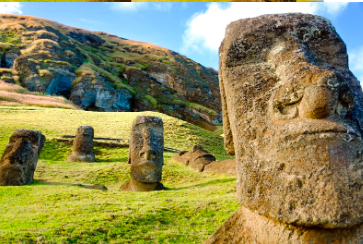
Choose Your Own Path

How to Create a Personal Curriculum

Designing a personal curriculum is flexible and highly individualized. However, several common steps can help structure the process.

1. Choose Your Themes

Start by identifying one or two areas of focus. These could include:

  • Creative subjects (writing, art, music)
  • Academic topics (history, philosophy, science)
  • Practical skills (cooking, coding, languages)

Focusing on a small number of themes encourages depth rather than superficial engagement. 

2. Define Your Learning Formats

A strong personal curriculum balances different modes of learning:

  • Input: books, podcasts, lectures
  • Action: projects, practice, experimentation
  • Reflection: journaling, note-taking, discussion

This combination helps reinforce understanding and retention. 

3. Build a Flexible Schedule

Unlike formal education, a personal curriculum should be adaptable. Many people structure their learning around:

  • Weekly reading sessions
  • Monthly themes
  • Daily or hourly learning blocks

The key is consistency without rigidity. Even one hour per week can be effective if done intentionally. 

4. Set Gentle Goals

Goals should be realistic and motivating rather than overwhelming. For example:

  • Read one book per month
  • Complete a short online course
  • Practice a skill twice per week

Importantly, the emphasis is on progress, not perfection. 

5. Track and Reflect

Reflection transforms activity into learning. Consider:

  • Keeping a learning journal
  • Writing weekly summaries
  • Recording insights or questions

This step helps consolidate knowledge and maintain motivation.

6. Stay Flexible

Interests evolve, and your curriculum should too. Adjust topics, pacing, and goals as needed. The process is meant to be dynamic, not fixed.


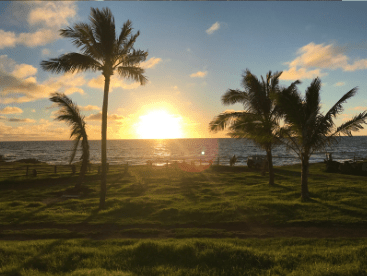
Chart Your Own Path

Benefits of a Personal Curriculum

The popularity of the personal curriculum trend is not accidental. It offers a wide range of psychological, intellectual, and emotional benefits.

1. Rekindling Curiosity

Many adults lose their sense of curiosity after formal schooling. A personal curriculum reintroduces learning as a joyful, self-directed activity rather than an obligation.

2. Improved Mental Health

Engaging in meaningful activities can improve mood and reduce stress. Completing small learning tasks can trigger dopamine release, enhancing motivation and well-being. 

Additionally, structured learning can help counter seasonal or motivational slumps by providing purpose and routine. 

3. Reduced Screen Fatigue

By replacing passive scrolling with active learning, individuals can develop a healthier relationship with technology. This shift promotes deeper engagement and reduces feelings of time wasted.

4. Habit Building

A personal curriculum introduces gentle structure into daily life. This can help build consistent habits without the pressure of external evaluation. 

5. Lifelong Learning

The trend reinforces the idea that education does not end with formal schooling. It encourages continuous intellectual growth and adaptability in a rapidly changing world.

6. Personal Empowerment

Designing your own curriculum fosters a sense of agency. You are no longer limited by institutional frameworks—you decide what knowledge matters to you.


Challenges and Criticisms

Despite its benefits, the personal curriculum trend is not without drawbacks.

1. Risk of Over-Optimization

Some critics argue that the trend can become another form of productivity pressure. When overly structured, it may replicate the stress of formal education.

2. Social Media Distortion

As the trend spreads online, some versions emphasize aesthetics or unrealistic goals (e.g., mastering multiple skills in a month). This can lead to burnout or feelings of inadequacy. 

3. Lack of Accountability

Without external deadlines or evaluation, it can be difficult to maintain consistency. Success depends heavily on self-discipline and intrinsic motivation.


Resources for Building Your Personal Curriculum

Creating a personal curriculum is easier than ever thanks to the abundance of online resources. Below are some of the most useful tools and platforms.

Online Learning Platforms

  • Coursera
  • edX
  • Udemy
  • MIT OpenCourseWare
  • Khan Academy

These platforms offer structured courses across a wide range of subjects, often for free or at low cost.

Educational YouTube Channels

  • CrashCourse
  • TED-Ed
  • freeCodeCamp
  • Kurzgesagt

Video-based learning can make complex topics more accessible and engaging.

Books and Libraries

  • Project Gutenberg
  • Open Library
  • Libby

These services provide access to free or low-cost reading materials.

Note-Taking and Organization Tools

  • Notion
  • Obsidian
  • Google Docs

These tools help track progress, organize materials, and reflect on learning.

Community Platforms

  • Reddit
  • Discord groups
  • Book clubs

Learning alongside others can provide motivation, accountability, and new perspectives.

Many learners recommend combining multiple resources to create a well-rounded curriculum that includes both structured courses and exploratory content. 


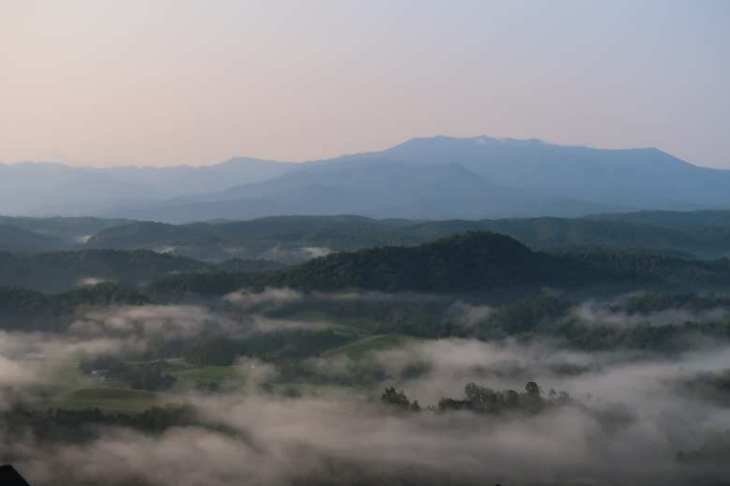
Any Time, Any Place

Conclusion: A New Model of Learning

The personal curriculum trend represents more than a passing social media fad. It reflects a deeper cultural shift toward intentional living, self-directed education, and reclaiming time in an attention economy.

By designing their own learning paths, individuals are rediscovering the joy of curiosity and the value of lifelong education. In doing so, they challenge traditional notions of schooling and demonstrate that meaningful learning does not require a classroom—only commitment, creativity, and curiosity.

Whether you dedicate an hour a week or build a full “semester” of study, the personal curriculum offers a powerful framework for growth in the modern world.


Bibliography (Chicago)

Cannon, Sophie Liza. “From Homeroom to Home: Enroll in TikTok’s Personal Curriculum Trend Now.” Forbes, October 27, 2025. 

Jackson, Erica. “Transform Your Fall With the ‘Personal Curriculum’ Trend.” Goodnet, November 3, 2025. 

Philogene, Haniyah. “Adults Are Reclaiming Their Time and Minds With the ‘Personal Curriculum’ Trend.” TheGrio, January 12, 2026. 

“Personal Curriculum 101.” Plant Based Bride, December 1, 2025. 

“Personal Curriculum: What Is It and How Do You Make One?” Her Campus

Pursley, E.V. “TikTok’s Personal Curriculum Trend, Explained.” Her Campus

“The Personal Curriculum Trend: How to Design a Path to Growth.” Camille Styles

“The ‘Personal Fall Curriculum’ Trend: TikTok’s New Way of Battling Anti-Intellectualism.” Her Campus

“Personal Curriculum 101.” Reddit, 2025. 

“Feeling the Fall Slump? Try Building a ‘Personal Curriculum’ to Get Back on Track.” Real Simple, 2025. 
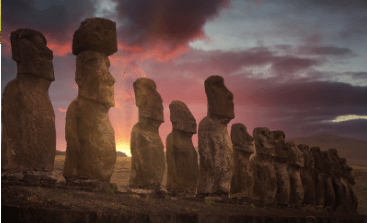
Easter Island: History, Culture, and Travel Guide to One of the World’s Most Remote Destinations

Basking in the Sunset

Introduction

Located in the southeastern Pacific Ocean, Easter Island—known locally as Rapa Nui—is one of the most isolated inhabited places on Earth. Situated roughly 3,700 kilometers west of mainland Chile, the island is famous for its mysterious moai statues, monumental stone figures carved centuries ago by the island’s early inhabitants. Today, Easter Island is both a UNESCO World Heritage Site and a fascinating travel destination where archaeology, Polynesian culture, and dramatic landscapes converge. 

For travelers, the island offers a unique combination of history, natural beauty, and cultural heritage. This blog post explores the history of Easter Island and highlights the most important places visitors should see when exploring this extraordinary location.


The Early History of Easter Island

Archaeological evidence suggests that Easter Island was first settled by Polynesian voyagers sometime between 300 and 1200 CE. These settlers likely arrived in large seafaring canoes from other islands in the Polynesian triangle. Once established, they developed a unique culture largely isolated from outside influences. 

Over several centuries, the inhabitants of Rapa Nui built a complex society characterized by monumental architecture and elaborate religious traditions. The most iconic creations of this civilization are the moai, enormous stone statues carved from volcanic rock. From approximately the 10th to the 16th centuries, the Rapa Nui people carved hundreds of these statues and erected them on ceremonial platforms known as ahu. 

The moai typically represent deified ancestors or important leaders. Facing inland toward villages, they were believed to protect communities and channel spiritual power known as mana. Today, nearly 900 moai statues are known to exist across the island, forming one of the most remarkable archaeological landscapes in the world. 

Despite the achievements of the early Rapa Nui society, the island experienced significant internal conflict and social change. Oral histories and archaeological evidence indicate that civil wars and shifts in political power led to many moai being toppled from their platforms. Some sites were later restored in modern times. 

The island came into contact with Europeans in 1722, when Dutch explorer Jacob Roggeveen arrived on Easter Sunday, giving the island its modern name. Over the following centuries, outside contact, disease, slave raids, and colonial pressures dramatically affected the indigenous population. Eventually, the island was annexed by Chile in 1888, and today it remains a special territory of the country while retaining a strong Indigenous cultural identity. 


Rapa Nui National Park: A Living Cultural Landscape

Much of Easter Island is protected within Rapa Nui National Park, a UNESCO World Heritage Site that preserves the archaeological and cultural remains of the ancient Rapa Nui civilization. The park contains hundreds of ceremonial platforms, agricultural structures, and moai statues spread across a dramatic volcanic landscape. 

The island itself is triangular and shaped by extinct volcanoes, including Terevaka, Poike, and Rano Kau. Rolling grasslands, rugged coastlines, and volcanic craters create a striking natural setting for the archaeological sites. Visitors exploring the park can experience not only ancient monuments but also the environmental context that shaped Rapa Nui culture.


Major Historical and Archaeological Attractions

Meet the Moai

Ahu Tongariki

Ahu Tongariki is the largest ceremonial platform on Easter Island and one of the most impressive sights for travelers. The site features 15 massive moai statues standing in a row facing inland. 

Historically, this location served as the political and ceremonial center for the Hotu-iti clan. During periods of internal conflict, the statues were knocked over, and in 1960 a tsunami caused by an earthquake in Chile pushed them inland. A major restoration project in the 1990s returned the moai to their current positions. 

For visitors, sunrise at Ahu Tongariki is considered one of the most memorable experiences on the island. As the sun rises over the Pacific Ocean, it illuminates the towering statues, creating a powerful and unforgettable view.


Rano Raraku Quarry

Rano Raraku is the volcanic quarry where most of the island’s moai were carved. Here visitors can see dozens of statues in various stages of completion—some partially buried, others still attached to the bedrock.

The quarry provides valuable insight into the production process of the statues. Craftspeople carved the moai from volcanic tuff using stone tools before transporting them to ceremonial platforms across the island. Modern research suggests that the statues may have been “walked” upright using ropes and coordinated movements. 

This site is often considered the most important archaeological location on the island.


Orongo Ceremonial Village

Located on the rim of the Rano Kau volcanic crater, Orongo is a stone ceremonial village associated with the famous Birdman cult. The site consists of dozens of low stone houses built along dramatic sea cliffs. 

The Birdman ritual was a major religious competition in which representatives from different clans attempted to retrieve the first egg of a migratory seabird from nearby islets. The winner’s sponsor would gain political and spiritual authority for the year.

Today, visitors can walk among the restored stone houses while enjoying spectacular views of the crater lake and the Pacific Ocean.


Anakena Beach

Anakena is one of the few sandy beaches on Easter Island and holds both historical and recreational importance. According to Rapa Nui tradition, this was the landing place of Hotu Matu’a, the legendary Polynesian chief who founded the first settlement on the island. 

The beach is also home to restored moai on the platform Ahu Nau Nau, making it one of the most photogenic sites on the island. Visitors often combine sightseeing with swimming or relaxing beneath the palm trees.


Father Sebastian Englert Anthropological Museum

Travelers interested in learning more about Rapa Nui culture should visit the Father Sebastian Englert Anthropological Museum in the town of Hanga Roa. The museum houses thousands of artifacts related to the island’s archaeology, language, and traditions, including items associated with the mysterious rongorongo script. 

Exhibits help visitors understand the cultural significance of the moai, the island’s settlement history, and the challenges faced by the Rapa Nui people during the colonial period.

Sunset Serenity

Travel Tips for Visiting Easter Island

Traveling to Easter Island requires careful planning because of its remote location. Most visitors arrive by flight from Santiago, Chile, which takes about five hours. The island’s main town, Hanga Roa, serves as the hub for accommodations, restaurants, and tour services.

Some helpful travel tips include:

  • Rent a car or bike: Many archaeological sites are spread across the island, making independent exploration easier.
  • Purchase a national park ticket: Most historical sites are within Rapa Nui National Park.
  • Hire local guides: Indigenous guides can provide valuable cultural context and stories behind the monuments.
  • Respect cultural heritage: The moai are sacred ancestral symbols for the Rapa Nui people.

Conclusion

Easter Island is far more than a collection of mysterious statues. It is a living cultural landscape shaped by centuries of Polynesian history, spiritual traditions, and remarkable engineering achievements. From the imposing moai of Ahu Tongariki to the dramatic cliffs of Orongo and the tranquil sands of Anakena Beach, the island offers a unique travel experience unlike any other destination on Earth.

For visitors willing to journey to one of the world’s most remote islands, Easter Island provides a rare opportunity to explore ancient history while witnessing the enduring culture of the Rapa Nui people.


References (Chicago)

Flenley, John, and Paul Bahn. The Enigmas of Easter Island: Island on the Edge. Oxford: Oxford University Press, 2003.

UNESCO World Heritage Centre. “Rapa Nui National Park.” Accessed March 2026. 

Wikipedia contributors. “Rapa Nui National Park.” Accessed March 2026. 

Wikipedia contributors. “Ahu Tongariki.” Accessed March 2026. 

Wikipedia contributors. “Orongo.” Accessed March 2026. 

Wikipedia contributors. “Anakena.” Accessed March 2026. 

Wikipedia contributors. “Father Sebastian Englert Anthropological Museum.” Accessed March 2026. 

EasterIsland.travel. “Rapa Nui National Park: Protection, Heritage, and Living Culture.” Accessed March 2026. 


Celebrating America in Great Smoky Mountains National Park

Historic colonial water wheel at Cades Cove
Cades Cove Water Wheel

The Great Smoky Mountains

Great Smoky Mountains National Park is undeniably one of the most cherished National Parks in the United States. According to the National Park Service, the Great Smoky Mountains National Park receives more visitors than any other National Park in the country. And this is a particularly impressive feat considering there are 59 National Parks in the system.

In this picturesque Park you will discover many natural wonders, including sweeping vistas, majestic mountains, crystal-clear waters, and wondrous wildlife. The Park straddles the states of Tennessee and North Carolina in the southeastern United States, and spans more than 800 square miles of natural backdrops that bewilder.

Practicing Patriotism in the Park

Visiting our National Parks is an act of patriotism. And Smoky Mountains National Park is a great place to celebrate our country’s beauty and bounty. Here we can reflect on the country we cherish, while surrounded by one of the great reasons why. As Theodore Roosevelt famously said, “Here is your country. Cherish these natural wonders, cherish the natural resources, cherish the history and romance as a sacred heritage, for your children and your children’s children.” Our National Parks are one of our country’s greatest treasures, and, thankfully, one we can pass on from generation to generation.

Smoky mountains bathed in morning mist
Typical foggy mountain morning

A Free-for-All

Significantly, Smoky Mountains National Park is one of the only National Parks that remains completely free to visitors, and we have the State of Tennessee to thank for that. The States of Tennessee and North Carolina cooperatively constructed Newfound Gap Road, which runs through the park. They later donated the road to the federal government to be a part of the National Park. As a stipulation to this donation, Tennessee included a deed requirement that “no toll or license fee shall ever be imposed…” as a way to assure their State’s residents would continue to have access to efficient transportation through the area. Presently, everyone has free admission.

Take the Slow Road

On the downside of free admission, the park tends to be very crowded, especially during peak season. But consider the traffic an opportunity to slow down, enjoy the scenery, and meditate on how amazing it is that we can all share in this breathtaking spectacle together! In this fast-paced world, it’s not every day we can stop and smell the pine trees. Occasionally we need to decompress. Amid the peace of the Park, this is possible.

Historic colonial cabin of John Oliver, from 1822
John Oliver Cabin – 1822

Being Steeped in History

The National Park Service explains here that, “One of the best collections of log buildings in the Eastern United States [is here]. Over 90 historic structures – houses, barns, outbuildings, churches, schools, and grist mills – have been preserved or rehabilitated in the park.” (nps.gov) These charming yet rustic structures give a good glimpse of what life was like in the 1800s in the rural South. Not surprisingly, many of these historic cabins and other buildings in the park are registered with the National Register of Historic Places. When you freely explore them inside and out, you can imagine a life in a distant time.

Woman hiking on a forested hiking trail
Hiking heaven

Hit the Hiking Trails

For the energetically-inclined there are an array of hiking trails available. No matter what your preferred difficulty level, there’s a trail here to suit you. They range from short to long, and from easy to challenging. You can plan ahead, as hiking options are listed on the National Park Service’s Smoky Mountains website here. Once on-site, hiking trail maps are conveniently available at the Welcome Center.

Exploring on foot surrounds you with remarkable waterfalls, streaming creeks, and dense forests hosting an encyclopedic variety of trees, many of which are inaccessible by car. A hike here stimulates all of the senses… The spectacular views of the mountains, soothing sounds of bubbling brooks and trees rustling in the wind, plus the pristine smell of pine… there’s truly a feast for the senses to indulge in here.

Want to commemorate the memories of your hike? For $1 you can purchase a book to log your miles. Those who’ve hiked 100 miles or more can share their mileage booklet with the Visitor Center to receive a mileage pin and be immortalized in their “Hike the Smokies” record book.

Giant black bear
Grin and bear it

Black Bears and Other Wildlife

Observing the fascinating antics of the local wildlife is one of the greatest perks of a visit to Smoky Mountains National Park. The Park is most well-known for its black bear population. When you see a log jam of cars parked illegally along the road and no scenic overlook, you can safely assume it’s a makeshift wildlife viewing stop. And if people are looking up into the trees, your first thought might be that they’re bird-watching. But, instead, they are likely viewing black bears: surprisingly highly capable climbers! The National Park Service suggests on their website here that there are approximately 1,500 black bears who call the Park home. Deer and other wildlife are also abundant in the park. Your next furry friend might be around the next bend…

Joy-Riding

With 384 miles of road, there’s plenty of opportunity to get off the beaten path here. Driving is certainly the most efficient way to explore the many historic buildings in the park and enjoy the scenery in two different states. Yet patience is still advised, however. As the most-visited park in the country, the roads and parking areas can get pretty crowded. So you may not be able to make every stop, or may need to repeat your tracks more than once if you don’t want to miss a thing. Savor every minute of it! Auto tour maps are available at the Park’s information center, to help you navigate your way to all of the historic sites, hiking trails, scenic overlooks, facilities, and more.

Cozy Camping

If your idea of a great night’s sleep is a night under the stars breathing in the pristine, pine-scented air, you may want to consider staying in one of the Park’s campsites. Indeed, a variety of options are available depending on your tolerance level for “roughing it.” For the truly adventurous, there are back-country campsites that can only be reached via hiking several miles. Front-country campsites are accessible by car and offer facilities with modern plumbing. Campsites for groups, and others that are able to accommodate horses, are also available should they better suit your needs.

Conclusion

The Great Smoky Mountains are named for the puffy plumes of mist that float freely among their plentiful peaks. Bask in the mist, and the beauty and vitality of our great nation that this charming Park exemplifies. This Park is free, but the scenery is priceless! To find out more about Great Smoky Mountains National Park, you can visit their official website here. If you want to read more from us, check out our last blog post here.

St. Patrick’s Day: History, Traditions, and Global Celebrations

Amazing Landscapes

Celebrating Ireland

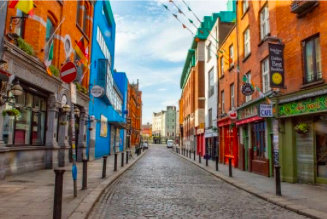
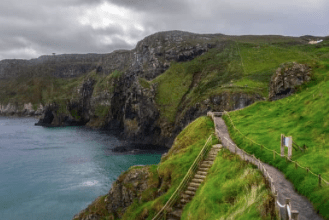
Every year on March 17, millions of people around the world celebrate St. Patrick’s Day—a holiday filled with parades, music, green clothing, and festivities honoring Irish culture. What began as a religious feast day dedicated to Ireland’s patron saint has evolved into a global celebration of Irish heritage. From church services in Ireland to massive parades in North America and festivals across Asia and the Caribbean, St. Patrick’s Day illustrates how cultural traditions can spread and transform across the world. This article explores the history of St. Patrick’s Day, the life of the saint it commemorates, and the many ways the holiday is celebrated today.

The Historical Origins of St. Patrick’s Day

St. Patrick’s Day commemorates St. Patrick, the patron saint of Ireland, who lived during the fifth century. Although strongly associated with Irish identity, Patrick was not Irish by birth. Most historical sources indicate that he was born in Roman Britain in the late fourth century. At age sixteen he was kidnapped by Irish raiders and taken to Ireland, where he was enslaved and forced to work as a shepherd. After several years, he escaped and returned to Britain. According to tradition, Patrick later experienced a religious calling that compelled him to return to Ireland as a missionary.¹

Patrick returned to Ireland around 432 CE and spent decades spreading Christianity across the island. He established churches, schools, and monasteries and became one of the most influential figures in early Irish Christianity. Over time, stories and legends about Patrick grew within Irish culture. One famous legend claims he used a three-leaf clover, or shamrock, to explain the Christian concept of the Holy Trinity—Father, Son, and Holy Spirit.² Another popular myth says he drove snakes out of Ireland, though historians consider this symbolic rather than literal.³

Patrick is believed to have died on March 17, around the year 461 CE. The date later became his feast day in the Christian liturgical calendar.⁴ By the ninth or tenth century, Irish Christians were commemorating the day with religious observances, making it one of the earliest traditions associated with the holiday.⁵

Cozy Castles

Early Religious Celebrations in Ireland

For centuries, St. Patrick’s Day in Ireland was primarily a religious occasion. Families attended church services in the morning and spent the rest of the day with modest celebrations. Because the feast day occurred during the Christian season of Lent—a time traditionally marked by fasting and restrictions on eating meat—the church allowed those restrictions to be lifted for the day. As a result, families often celebrated with special meals, typically featuring Irish bacon and cabbage.⁶

Interestingly, some aspects of the modern holiday were absent from early Irish celebrations. Parades, large public festivals, and widespread drinking were not traditional features in Ireland until relatively recently. In fact, Irish law required pubs to close on March 17 until 1970, reinforcing the holiday’s religious character.⁷

Over time, however, the meaning of the holiday began to change—largely due to Irish emigrants abroad.

The Role of the Irish Diaspora

Irish migration, particularly to North America, played a crucial role in transforming St. Patrick’s Day from a religious observance into a large cultural celebration. Irish immigrants in the United States used the holiday as a way to express pride in their heritage and maintain a connection to their homeland.

The first recorded St. Patrick’s Day parade did not occur in Ireland but in the Spanish colony of St. Augustine, Florida, in 1601.⁸ Later, Irish soldiers serving in the British army marched in New York City in 1762 to honor their patron saint. These early parades gradually evolved into annual celebrations organized by Irish community groups.

During the nineteenth century, waves of Irish immigrants—particularly those fleeing the Great Famine—arrived in North America. Many faced discrimination and poverty, and public celebrations of St. Patrick’s Day became a way to demonstrate unity and cultural pride. By the mid-1800s, cities such as Boston, New York, Chicago, and Philadelphia were hosting large parades and community gatherings.⁹

Today, the New York City St. Patrick’s Day Parade is considered the largest in the world, drawing more than 150,000 participants and millions of spectators each year.¹⁰

Spectacular Cities

Symbols and Traditions

Several well-known symbols are closely associated with St. Patrick’s Day.

The Color Green

Green has become the dominant color of the holiday, although historically blue was originally associated with St. Patrick. Over time, green became linked to Irish nationalism and the lush landscape of Ireland, often called the “Emerald Isle.”¹¹ Wearing green clothing on March 17 is now one of the most recognizable traditions of the holiday.

The Shamrock

The shamrock remains one of the most enduring symbols of St. Patrick’s Day. According to legend, Patrick used the plant’s three leaves to explain Christian theology. Today it represents Irish identity and heritage.¹²

Leprechauns and Folklore

Irish folklore also contributes to the imagery of the holiday. Leprechauns—small mythical shoemakers said to guard hidden pots of gold—are often featured in decorations and popular culture. While they are not directly connected to St. Patrick historically, they have become a playful part of the holiday’s imagery.

Food and Drink

Traditional foods associated with St. Patrick’s Day include Irish soda bread, champ (mashed potatoes with butter and green onions), and corned beef with cabbage—especially popular in North America.¹³ Drinking Irish beer or whiskey is also common, although this aspect developed largely in diaspora communities.

St. Patrick’s Day in Ireland Today

Modern celebrations in Ireland combine religious tradition with cultural festivities. Many people still attend church services on the morning of March 17, particularly in smaller communities. However, the holiday now includes large public events such as parades, music performances, and cultural festivals.

In 1995, the Irish government launched the St. Patrick’s Festival in Dublin to promote tourism and showcase Irish culture to the world. The multi-day festival includes parades, concerts, historical exhibitions, and community events.¹⁴ The main parade attracts hundreds of thousands of spectators each year and features elaborate floats, performers, dancers, and marching bands.

Other Irish cities, including Cork, Galway, and Limerick, also host major celebrations.

Charming Towns

Global Celebrations

Today, St. Patrick’s Day is celebrated in more countries than almost any other national holiday. The global reach of Irish migration and culture has transformed the event into an international festival.

North America

The United States and Canada host some of the largest celebrations outside Ireland. Major cities organize parades, cultural festivals, and public gatherings.

Chicago is famous for dyeing the Chicago River green each year, a tradition that began in 1962 when city workers discovered that dye used to trace pollution could also create a festive effect.¹⁵ Montreal hosts one of the oldest St. Patrick’s Day parades in North America, dating back to 1824.¹⁶

Europe

Across Europe, cities with Irish expatriate communities host parades and festivals. London, Munich, and Paris all organize large St. Patrick’s Day celebrations featuring Irish music, dance, and food.

Asia and Oceania

The holiday has spread far beyond traditional Irish diaspora regions. Tokyo has hosted St. Patrick’s Day parades since 1992, organized partly by Japanese enthusiasts of Irish culture.¹⁷ Similar celebrations occur in Singapore, Seoul, and Sydney.

The Caribbean

One of the most unique celebrations occurs on the Caribbean island of Montserrat. Because of its strong Irish heritage dating to the seventeenth century, the island hosts a week-long St. Patrick’s festival that blends Irish and Afro-Caribbean cultural traditions.

Global “Greening”

In recent years, landmarks around the world have participated in a symbolic “greening” campaign, illuminating famous sites with green lights. Structures such as the Sydney Opera House, the Eiffel Tower, and Niagara Falls have all been lit green in honor of the holiday.

A Global Cultural Celebration

What began as a religious feast day in medieval Ireland has become one of the most widely celebrated cultural holidays in the world. St. Patrick’s Day now represents not only the legacy of a fifth-century missionary but also the enduring influence of Irish culture across continents.

The transformation of the holiday demonstrates how traditions evolve as communities migrate and adapt to new environments. Irish immigrants helped reshape St. Patrick’s Day into a public celebration of identity and heritage, while modern globalization has turned it into a worldwide festival of music, culture, and shared joy.

Whether through attending a parade, wearing green, sharing traditional foods, or simply learning about Irish history, people across the globe participate in this annual tribute to Ireland’s patron saint and the vibrant culture he came to symbolize.

Lucious Landscapes

References (Chicago)

Britannica Editors. “St. Patrick’s Day.” Encyclopaedia Britannica. Last updated December 20, 2025. https://www.britannica.com/topic/Saint-Patricks-Day

History.com Editors. “History of St. Patrick’s Day.” History.comhttps://www.history.com/topics/st-patricks-day/history-of-st-patricks-day

History.com Editors. “St. Patrick’s Day Traditions and Origins.” History.comhttps://www.history.com/articles/history-of-st-patricks-day

“Saint Patrick.” Wikipediahttps://en.wikipedia.org/wiki/Saint_Patrick

“Saint Patrick’s Day.” Wikipediahttps://en.wikipedia.org/wiki/Saint_Patrick%27s_Day

Cronin, Mike. “St. Patrick’s Day Is the Most Global National Holiday.” TIMEhttps://time.com/3746018/st-patricks-day-global/

Honoring the Army in Honolulu, Hawaii

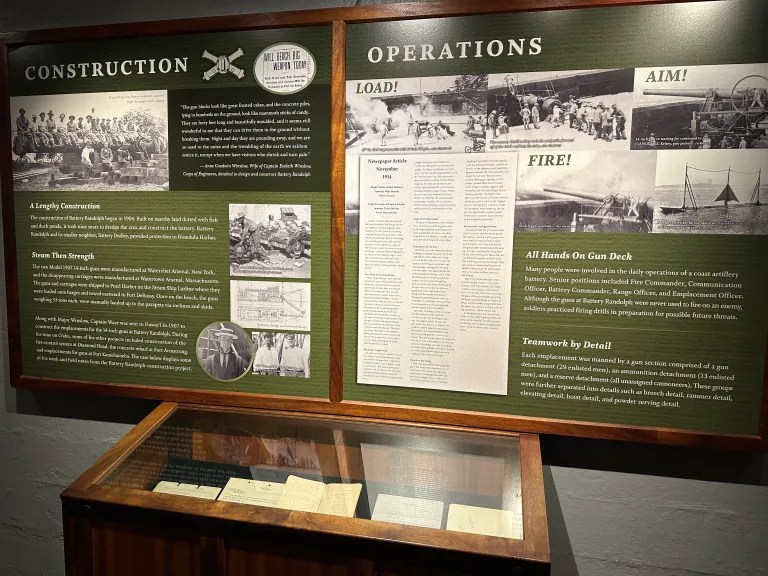
A variety of displays are housed at the museum

A Place of Contemplation

The Hawaii Army Museum in Honolulu, Hawaii is a fascinating and moving tribute to our brave soldiers. Hawaii’s enviable weather creates an excellent opportunity to enjoy the displays of this museum both inside and out. The museum “serves as a beacon of military history in the Pacific” (https://www.hiarmymuseumsoc.org). Visitors will be inspired by our brave soldiers in this museum that is free to visit, but offers a wealth of inspiring memories. According to the museum, they play “a crucial role in this educational journey” (https://www.hiarmymuseumsoc.org).

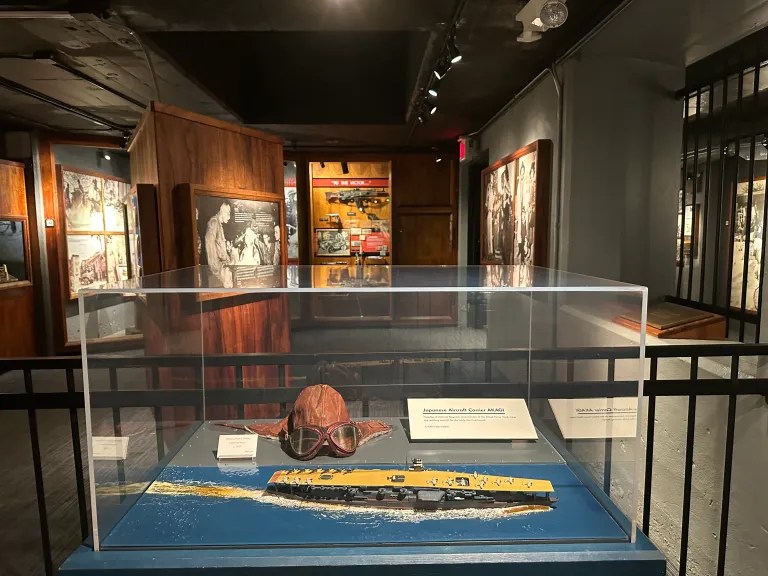
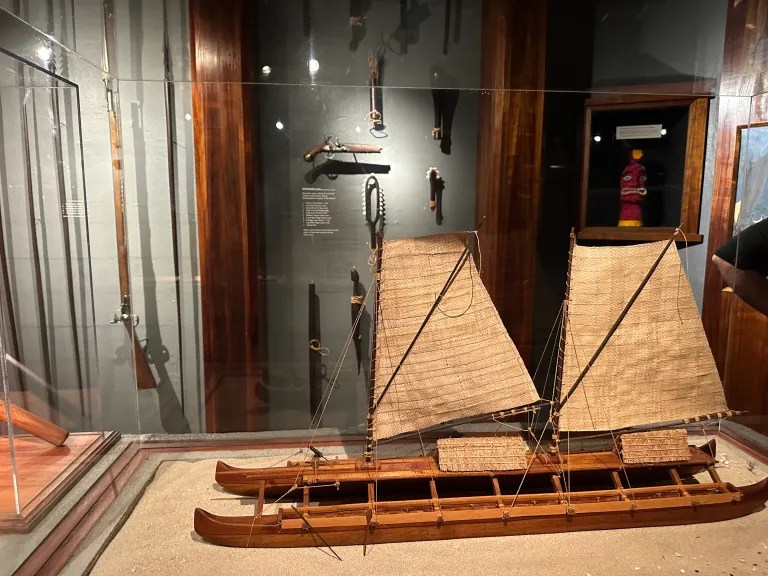
Both American and Foreign exhibits are housed at the museum, such as this Japanese craft

A National Treasure

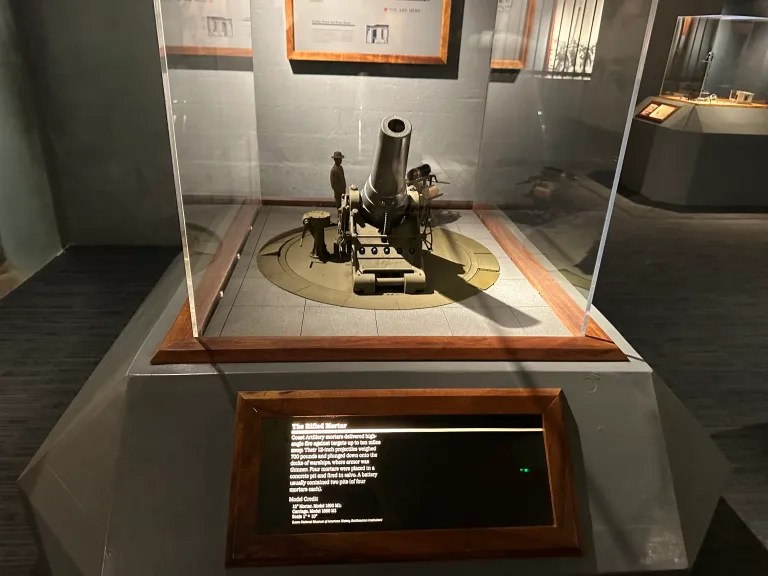
The museum is a treasure trove of memorabilia and artifacts. The museum offers an excellent opportunity to teach visitors about the bravery of the Army and their accomplishments. A visit to this museum provides a strong reminder of the sacrifices of our Army. According to the U.S. Army Center of Military History website, “U.S. Army Museum of Hawaii at Fort DeRussy was established in 1976 and is housed inside Battery Randolph, a former coast artillery fortification that mounted two 14-inch disappearing rifled guns ” (https://history.army.mil/Army-Museum-Enterprise/Find-an-Army-Museum/US-Army-Museum-of-Hawaii/).

Learn U.S. Army history through an impressive array of exhibits

Learn and Honor

This tribute to the Army is a bastion of fascinating history that paints our brave armed forces in the most honorable light. According to the U.S. Army Center of Military History, “Museum exhibits tell the story of the U.S. Army in Hawaii and the Pacific area, the military history of Hawaii, and the contributions made by Hawaii and Hawaii’s citizens to the nation’s defense” (https://history.army.mil/Army-Museum-Enterprise/Find-an-Army-Museum/US-Army-Museum-of-Hawaii/). The museum is brilliantly arranged with a wealth of fascinating artifacts.

History surrounds you at the museum

Honoring our Brave Heroes

George S. Patton exclaimed “The soldier is the Army. No army is better than its soldiers. The Soldier is also a citizen. In fact, the highest obligation and privilege of citizenship is that of bearing arms for one’s country.”  It is a rewarding experience to take rime out from Hawaii’s impressive beaches to learn about the history of our heroes in th U.S. Army at Honolulu, Hawaii.

Multiple aircraft are housed here

Visiting the Hawaii Army Museum

The Hawaii Army Museum is located at 2131 Kālia Rd, Honolulu, HI 96815. It is open from 10:00 am to 5:00 pm Tuesday through Saturday. Admission is free. The museum is a worthwhile tribute to our brave Army and a visit is highly rewarding. To visit another fine tribute to our armed forces, visit the article “Honoring the Marine Corps in Quantico” at https://globaldllc.com/2024/04/14/honoring-the-marine-corps-in-quantico/.


The museum houses many different types of exhibits

There may be many temptations competing for your attention in Hawaii, but this gallery is a moving tribute to American history that should not be missed. You are sure to leave feeling inspired and proud of your country.

by Heather Longfellow

Cruise Ship Tour: Amazing Norwegian Jade!

Watch my full video tour!

Norwegian Jade Cruise Ship Tour

Cruising has returned! USA Today reported in this article that the Norwegian Jade was the first Norwegian Cruise Line ship to sail post- COVID-19 delays. So it seems like a great time to post this full video tour I filmed right before the shutdowns started! The Jade offers some of the most exciting cruise ship tour itineraries in the world. My Jade itinerary sailed from Rome, Italy to Dubai, United Arab Emirates, with stops in Greece, Cyprus, Turkey, Jordan, Egypt, and Israel. If you’re seeking some real adventure, consider a journey on the Jade!

Decks of Delight

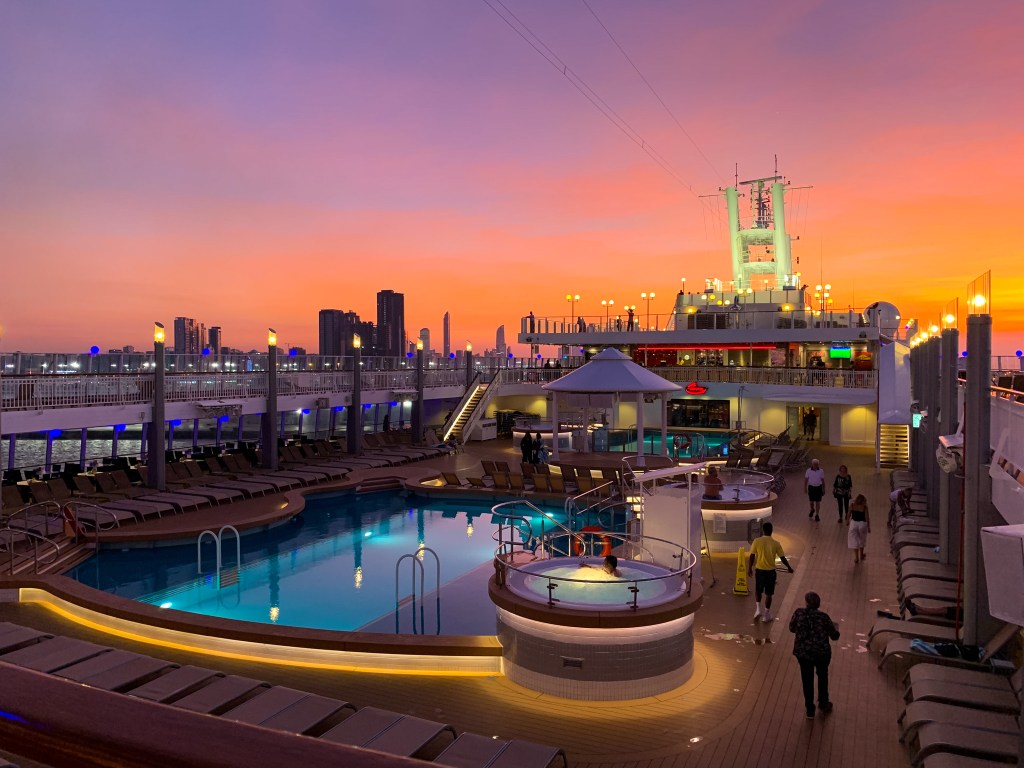
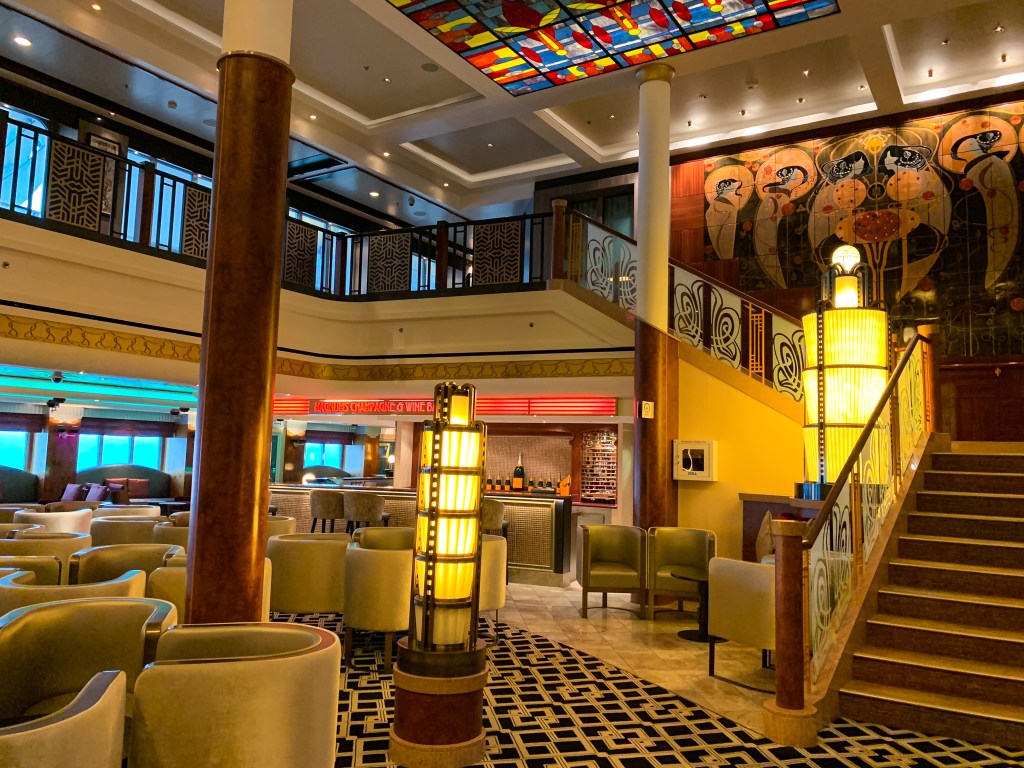
There is a wealth of different deck areas on the Jade, each offering a unique perspective on the bright, sunny skies and brilliant, blue waters! For fun in the sun, easy access to the numerous bars, live entertainment, and the pool and jacuzzis steps away, visit the upper floors and Lido deck. For peace and quiet, a chance to relax and escape, and time away from the crowds, head for the Promenade Deck. Feeling frisky? There are athletic opportunities on the uppermost decks, including a basketball/soccer court and more. Your spectacular views, selfie ops, and the gentle breezes of the sea will be yours whichever deck you choose!

Delectable Dining

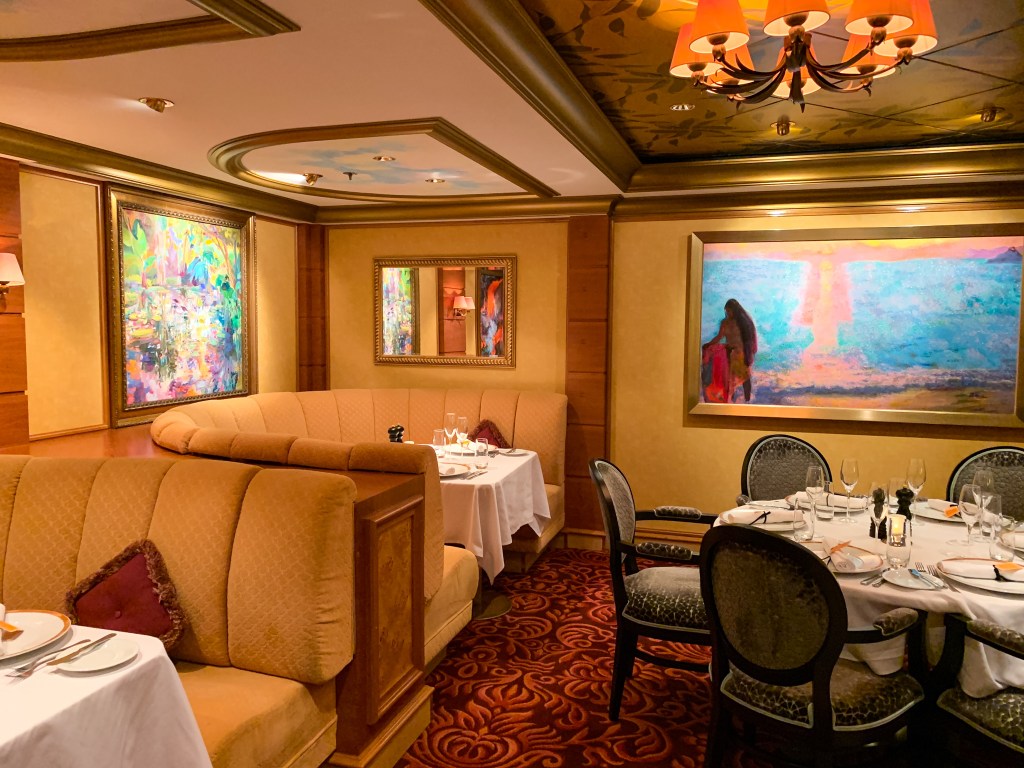
The Jade has dining options that will suit even the pickiest eaters’ taste buds! Your options will include complimentary dining options, specialty dining options that come at a fixed cost, and a-la-carte options. Your complimentary choices include two main dining rooms, a pub-style restaurant that’s open 24 hours, an Asian restaurant, a great big buffet, and an outdoor grill near the Lido deck. In the mood for a splurge? There are specialty dining restaurants including a steakhouse, Brazilian restaurant, French restaurant, Italian restaurant, Teppanyaki, and more. I believe you’ll find all of your bases covered! Whatever your whim, your appetite will be well-satisfied!

Luxurious Lobbies and Exceptional Entertainment

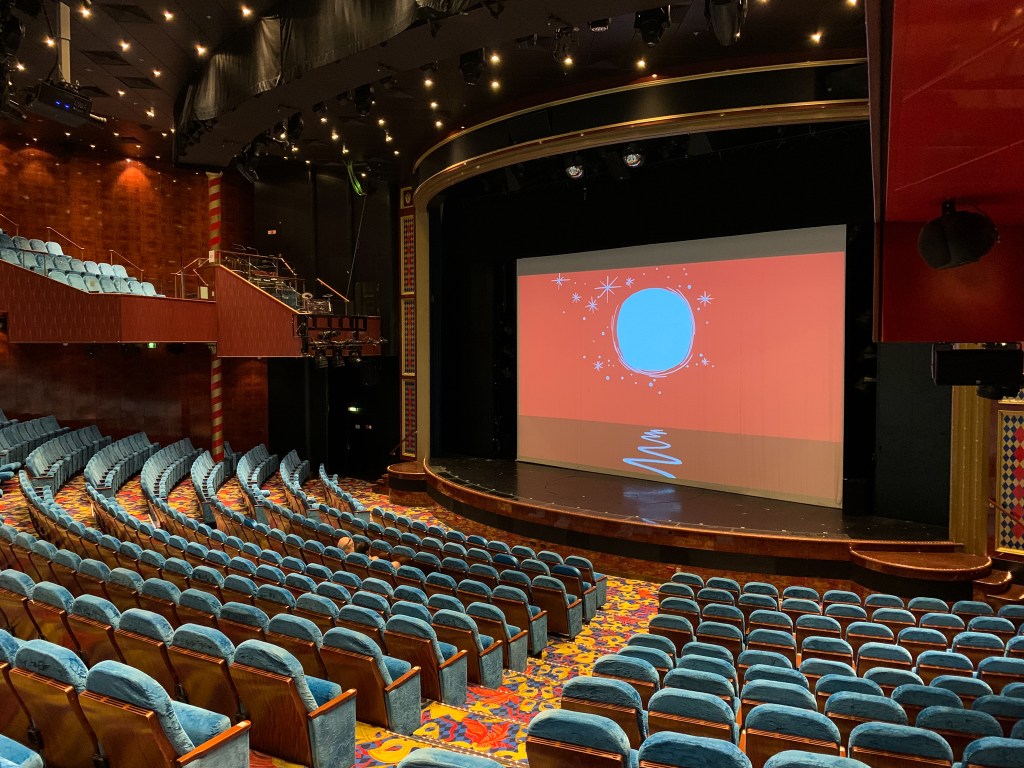
What’s better than a beautiful lobby to unwind in as you savor your favorite drink and watch the swirling seas float by out your window? Great entertainment too! Sure, the nightclubs and theater are there for you too, but first, for a more relaxed atmosphere, head for one of the luxurious lobbies to partake in some piano tunes and swoon-worthy singers. Close the night out with the excitement of a Broadway-style show in the Theater, some chills and thrills in the casino, and/or some dynamic dancing in the neon-bathed nightclubs! Whatever your mood or energy level, you’ll find just the entertainment you enjoy!

Conclusion

If you’re like I am, you’ve been really missing the #cruiselife. For more cruise content, take a behind-the-scenes tour of another grand cruise ship, the Norwegian Breakaway, here! And I hope you will be sailing again soon! In the meantime, I hope you’ll consider subscribing to my all-travel, all-the-time YouTube channel here for more great cruise and other travel-related content! Thank you for reading and I look forward to sharing my travel experiences with you again next time! Are you back to traveling? Never stopped traveling? Leave a comment below; I’d love to hear about your adventures!

Thank you for your generous support on my Ko-fi page here! You can say thanks for as little as $2! Follow me on Ko-Fi for more content updates!

Paradise Awaits: Grand Cayman Tour!

Watch the video tour on YouTube!

Escape to paradise in this Grand Cayman tour!

Whether you’re seeking miles of pristine beaches, underwater adventures, magnificent marine life, spectacular snorkeling, submerged shipwrecks, covert bank accounts, or sweet rum distilleries, Grand Cayman is the place for you! The Cayman Islands are a self-governing British territory in the Caribbean. Temperatures remain mild throughout the year. English is the official language. And, yes, they drive on the “other” side of the road! Infrastructure around the island is top-notch, and the islands are dotted with both awe-inspiring mansions and cute, little “gingerbread” houses. Due to the coral reefs, if you take a cruise ship you’ll need to dock offshore and take a tender to the port.

Around George Town

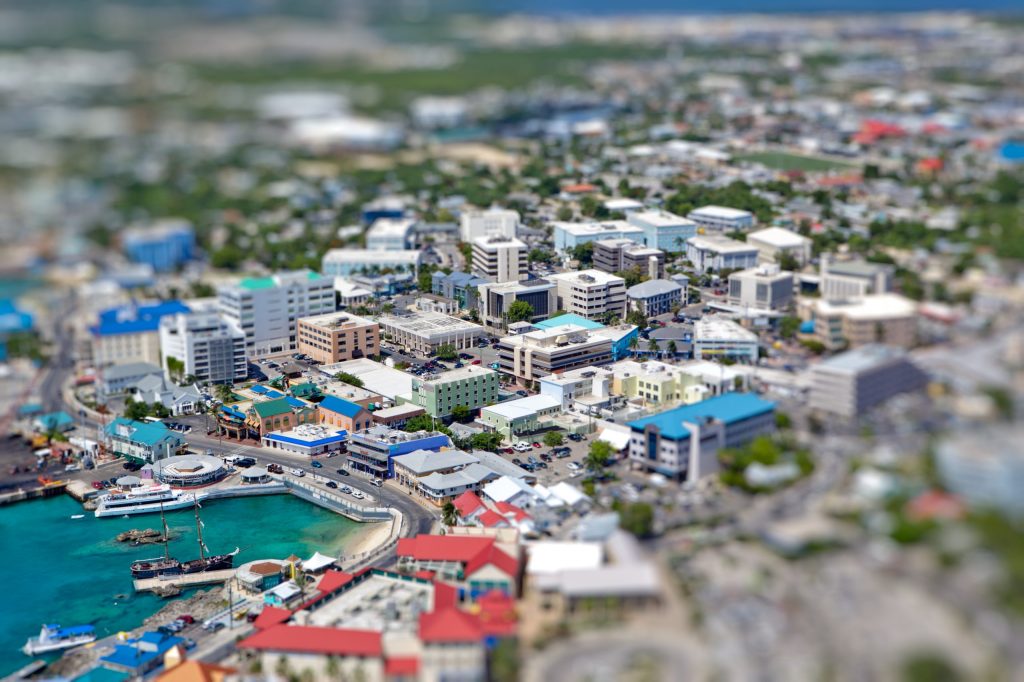
George Town, on Grand Cayman Island, is the capital city of the Cayman Islands. Here you’ll find a booming financial industry, as George Town houses branches for 40 of the 50 world’s biggest banks. Customers from around the world deposit funds into Cayman accounts to shield them from court systems, tax agencies, and to maintain the utmost privacy. George Town is also home to the Islands’ major airport and cruise port. Shopping opportunities also abound. Finally, you’ll find the Cayman Islands National Museum here, and it’s a great starting point from which to explore the rest of Grand Cayman Island.

Cayman Turtle Center and marine museum

The Cayman Turtle Center, in the West Bay area of Grand Cayman, is the top attraction in the Caymans to view, touch, and learn about Caribbean marine life. There is also a robust bird sanctuary. This is an interactive museum, where visitors are encouraged to get close to and touch a number of the animals. There is even an underwater exploration opportunity, to engage with the marine life in their submerged home. I was amazed by how close I was able to get to the beautiful creatures here. If you’d like to see more, the Cayman Turtle Center offers a virtual tour on their website here. Stingray City is another option for interacting with the island’s native stingray population.

Bountiful beaches!

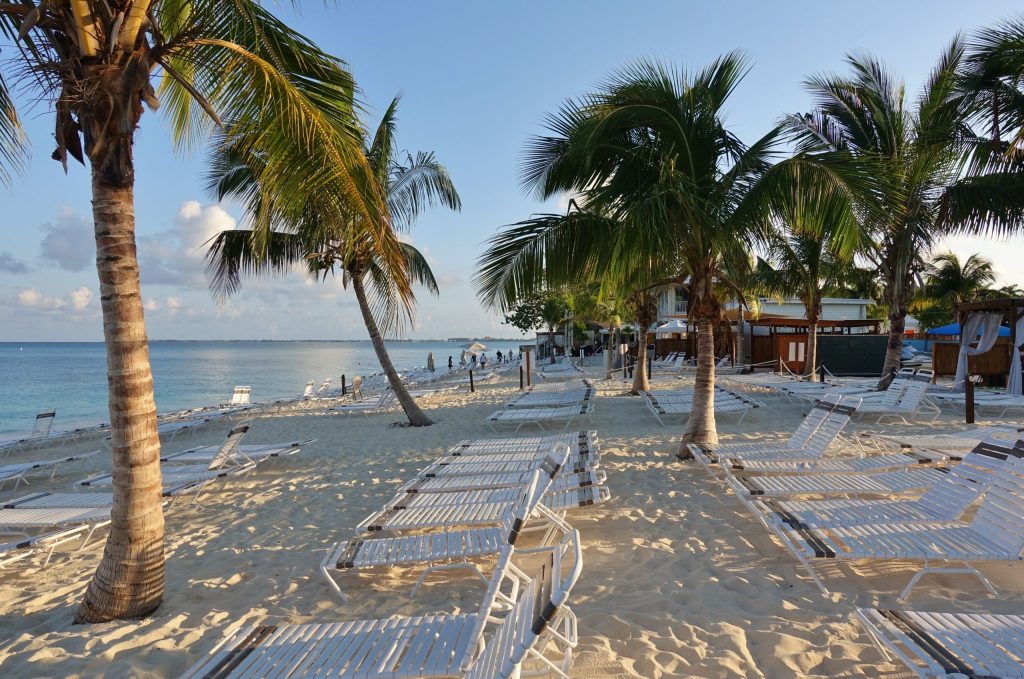
Grand Cayman is abundant with beautiful beaches! This is perhaps the biggest draw to the island, and for good reason. The brilliant aqua waters shimmer in the sun rays, and the sands are powdery soft. Many of the beaches offer lounge chairs, restaurants, and snorkeling. From some you can take a sail on a catamaran, or sample windsurfing or jet-skiing. All of them offer soothing sunshine and warm waters. 7 Mile Beach is particularly popular, but don’t miss out on some of the less well-known beach locations. This is the perfect place for beach-hopping!

Thanks for taking my Grand Cayman tour!

Thanks for coming along for my tour of Grand Cayman! I’m sure by now you’ll agree there’s a lot to see and do around Grand Cayman. Want to turn your Cayman excursion into an island-hopping adventure? Enjoy my tour of Jamaica here! And for more great video content – ALL travel ALL the time – subscribe to my travel channel on YouTube here! Finally, if you enjoyed this article, I hope you’ll consider supporting this blog so I can keep it sustainable. You can support my efforts with a donation of as little as $2 on Ko-fi here. Your support means a lot, and I couldn’t do it without you! I hope you’ll leave a comment below: have you been to the Caymans? Do you have a favorite spot? Have you not gone yet, but would like to? I’d love to hear from you!

https://storage.ko-fi.com/cdn/widget/Widget_2.jskofiwidget2.init(‘Support Me on Ko-fi’, ‘#29abe0’, ‘W7W141KJI’);kofiwidget2.draw();

Orlando Florida Hotel: Doubletree at Sea World Review!

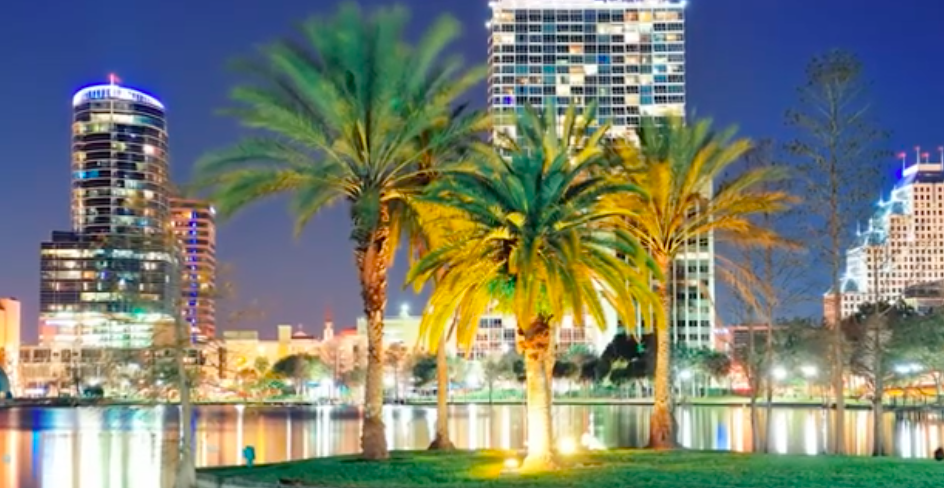
Orlando Sundown

Orlando, Florida Hotel: First Impressions

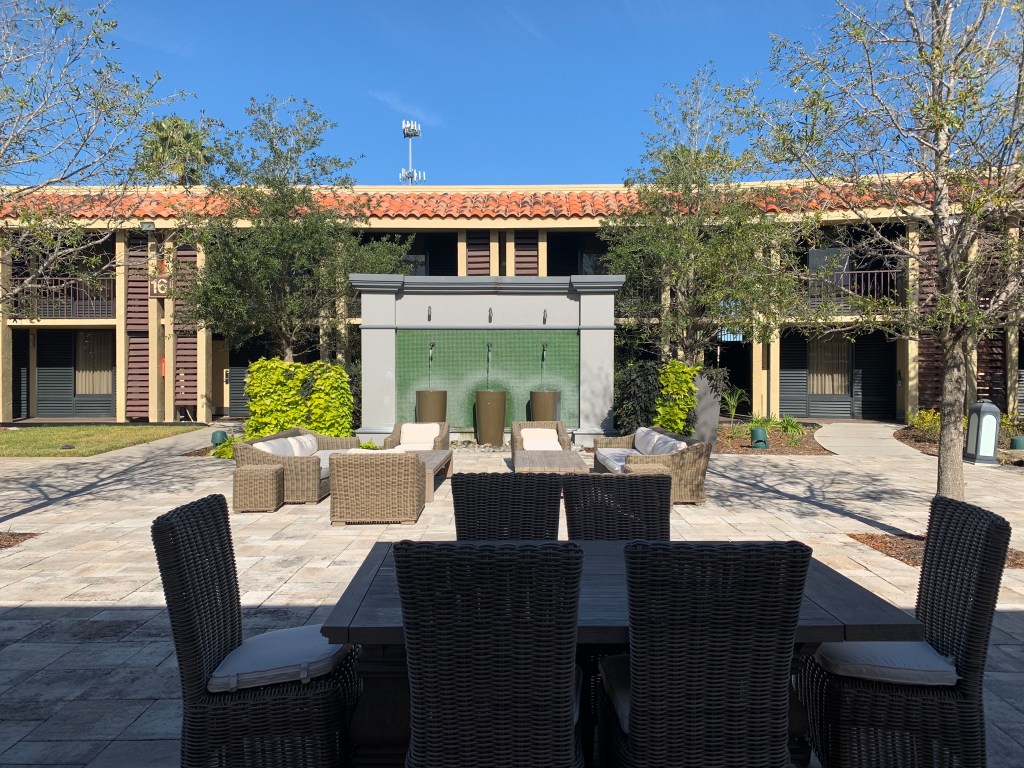
Looking for an Orlando, Florida hotel? The Hilton Doubletree Sea World makes a great first impression! Not surprisingly, the first thing I noticed was the location, mere steps away from the Sea World amusement park. There’s even a free shuttle from the hotel. And this hotel offers additional perks such as park discounts. But I’ll discuss Sea World and other Orlando sights in another post. As a resort, this hotel offers many activities right on-site for those who don’t want to brave the crowds of the theme parks nearby. The grounds are beautifully maintained, and there are comfortable lounge areas throughout to catch some rays. It’s a great way to relax after an exhausting day at the parks or touring around town!

Comfortable Rooms

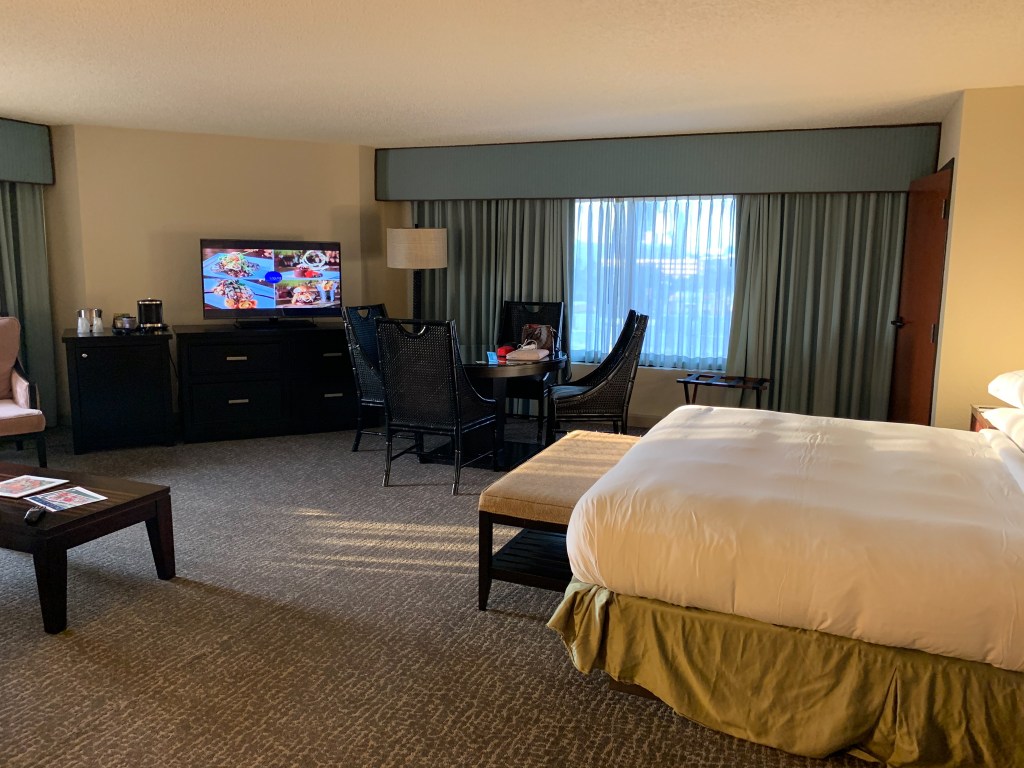
The rooms here provide just the rest and recovery Mickey ordered. Anyone who’s ever been to Orlando before knows it can be an exhausting place, between the sun and fun! I was granted an automatic Gold Hilton Honors member upgrade on my room, which was a very pleasant surprise since it doesn’t happen a lot. The room was huge, and decorated in neutral shades. The bed was extremely comfortable, as I’ve become used to at Doubletree properties. The view consisted of windows on two sides overseeing the main pool and what I’d like to call “restaurant row,” a grouping of various restaurant outlets lined up across the street. I was provided a flat screen TV, basic coffee maker, and some premium toiletries in the bathroom. I felt well-taken care of and cozy.

Fun in the Sun

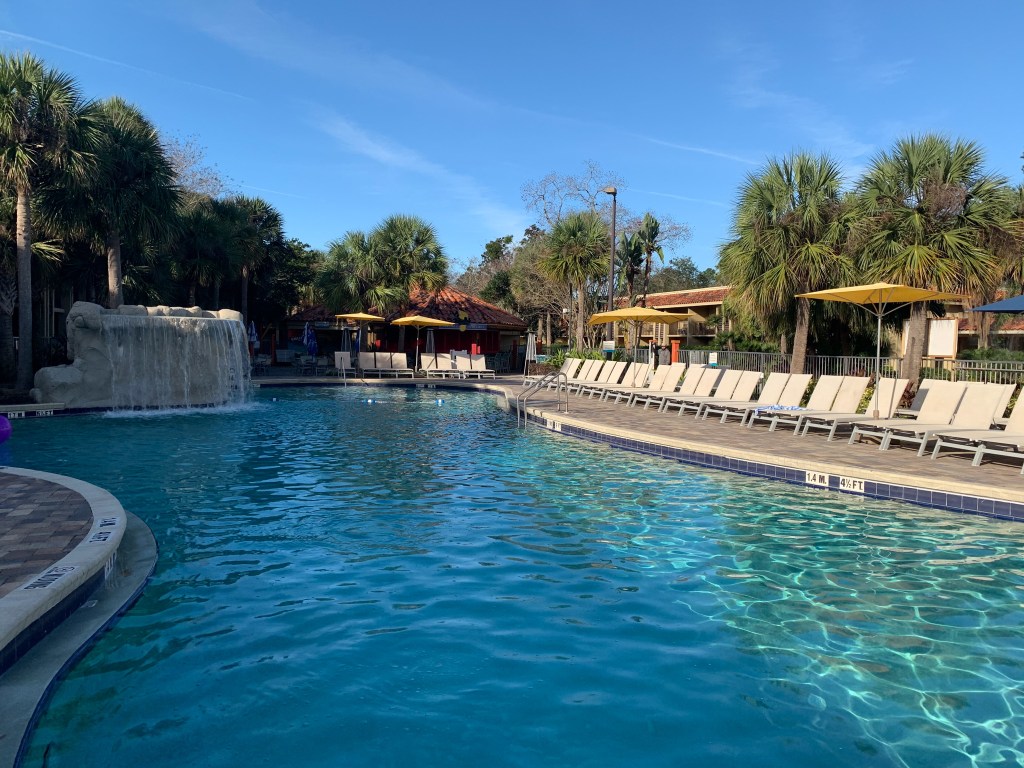
There are two large pools at the Doubletree, great for splashing and sunbathing. The main pool boasts a waterfall feature, and is adjacent to an outdoor tiki bar called the “Barefoot Bar.” I partook in the appetizers and cocktails at the bar and was very satisfied with the quality. There are a lot of tropical-themed options on the menu. It’s a great place to mingle with other hotel guests and be among other adults in this town that’s a magnet for children. (Don’t get me wrong – I like children too. I had two sets of twins of my own. But sometimes you just need a break!) I found both the staff and other hotel guests friendly and inviting here.

More Amenities

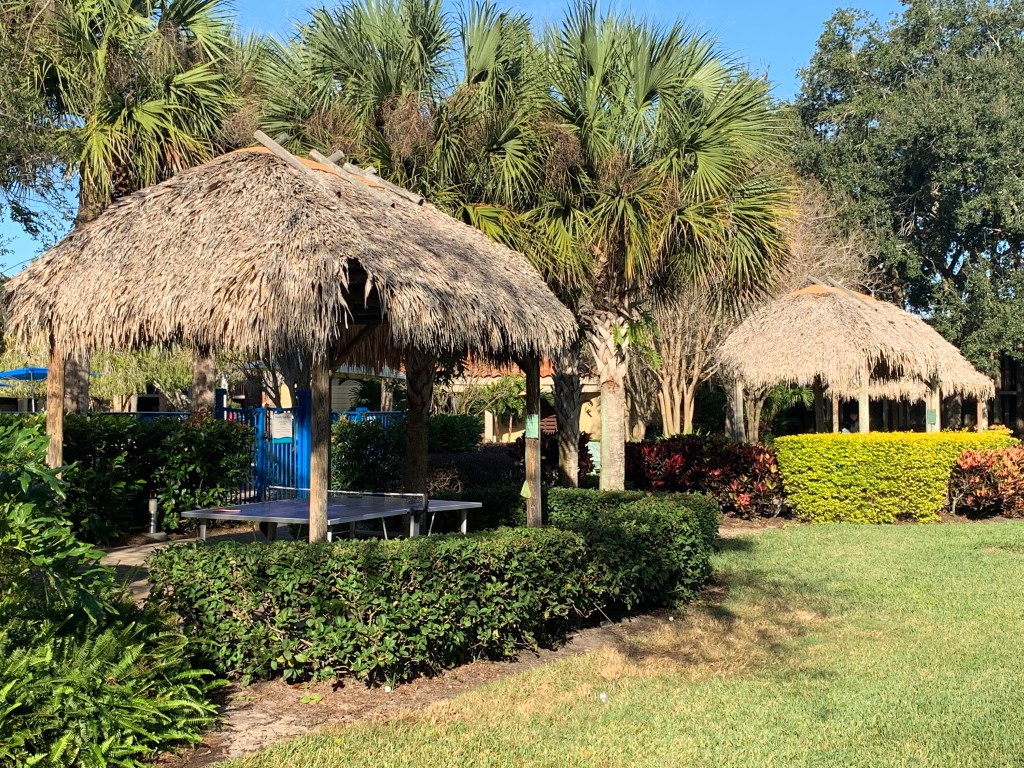
Beyond the pools and lounging areas, there are many other playful options. Huts, like the ones in the photo below, house ping pong tables, pool tables, foosball, and more! There’s also mini golf. For those more serious-minded, there’s a full-service indoor gym, shops, and a second bar in the hotel lobby. For a full overview of all this hotel has to offer, watch my video tour on YouTube at the top of this post! And I can’t overlook what just may be everyone’s favorite – fresh, warm chocolate chip cookies are available in the lobby every afternoon! (Tip: YES you can request a couple extra!)

Verdict

Overall, I was pleased with my experience at this hotel. The accommodations were comfortable, the activities were ample, the grounds were gorgeous, and the restaurants served scrumptious meals. Still, it wasn’t a flawless experience. I accidentally turned my driver’s license in with the key card sleeve at the front desk and they refused to look for it. So I had to get a replacement driver’s license (big hassle). Also, the maid service in my room was lacking (she no-showed us daily). I mentioned it to a manager and he made up for that issue to my satisfaction with a gift certificate to one of the restaurants. Despite these couple of issues, given the responsiveness of management and quality of accommodations, I would both stay here again and recommend it to others.

Conclusion and Announcement

Thanks for reading! If you’re looking for an Orlando, Florida hotel the Doubletree is worth considering. Meanwhile, I have an announcement! I’m pleased to announce that Ultimate Travel Adventures is now on Ko-Fi! Ko-Fi is a virtual tip jar for creators. On my page you can contribute as little as $1, or more if you choose. If you enjoyed this post, I hope you’ll visit me on Ko-Fi by clicking here or the button below. Interested in reading another blog post? How about checking out my post on Cocoa Beach, Florida here? I hope you’ll come along for my next adventure!

https://ko-fi.com/widgets/widget_2.jskofiwidget2.init(‘Support Me on Ko-fi’, ‘#29abe0’, ‘W7W141KJI’);kofiwidget2.draw();

Wadi Rum Desert, Jordan Tour!

Another Sunny Day

Wadi Rum Desert Jordan

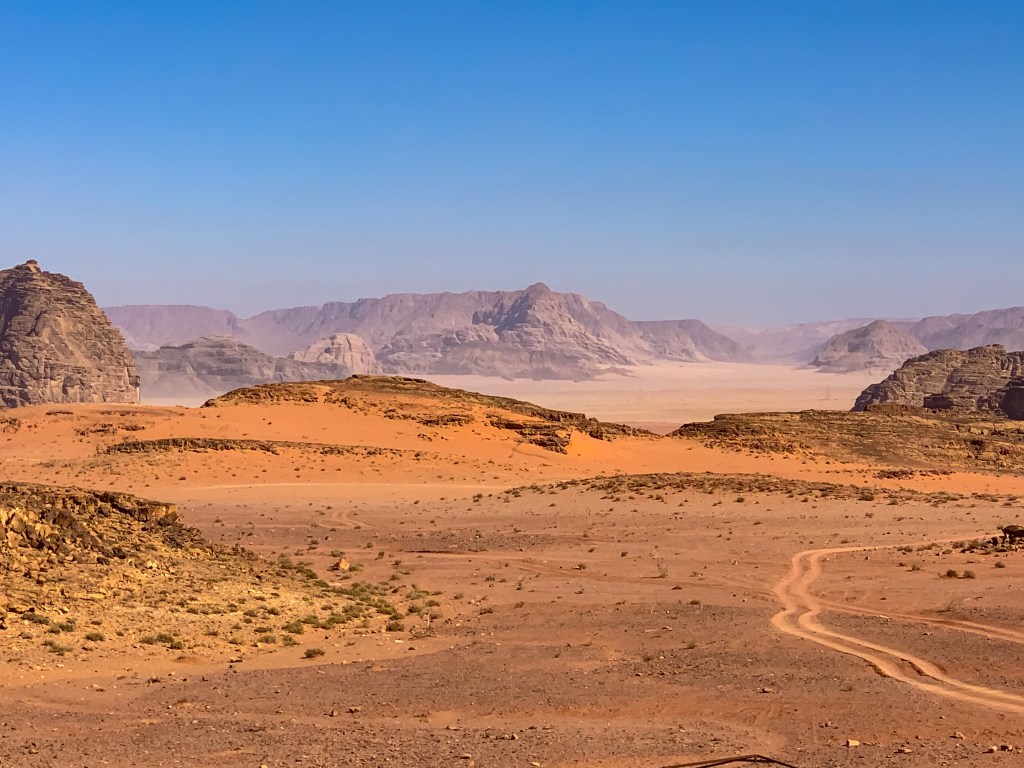
The Wadi Rum desert is the largest valley in Jordan. It’s an easy 40 mile drive east of Aqaba. Its Arabic name can be translated as “Valley of the Moon.” The atmosphere of this place might make you feel like you’re on the moon! With miles upon miles of desolate desert landscape, it feels very remote, isolated, and peaceful. This feeling may be diluted some if you’re venturing out there with a tour group. But if you can find your own private perch on the dunes, you can tune the world out, and hear the sound of silence in the desert, marveling at the magnificent red and blue hues before you.

Ways to Explore

There are many ways to explore the Wadi Rum desert. One of the most popular is to arrange a Jeep tour with local guides. The Jeeps hold 6 people, and descend into the desert in parade formation. It can get very windy – so hang on to your hat. The Jeeps make multiple stops along the tour, giving you a chance to try to hike up the sand dunes and get a panoramic view. If you want to get a bird’s eye view from the top of the dunes get ready for a real workout! It’s a lot tougher than it looks to walk uphill in sand! I became completely winded after trying to reach the top of a small dune that was the first stop on the tour. The Jeeps also stop at locations where you can resume your tour on the back of a camel or horse. I find camel-riding extremely comfortable. Their movement is smoother and less jerky than that of a horse.

Heralded History

The Jeeps also stop to give you a closer look at petroglyphs carved into the rocks in prehistoric times. It’s truly amazing that people could survive in this harsh environment with the lack of amenities that existed in prehistoric times. I found it completely humbling to ponder. The next time I think I’m not “comfortable” enough in modern life, I’ll try to remember these carvings. The other historical context of the Wadi Rum desert is the Lawrence of Arabia story. Many a tourist has come here to “walk in the footsteps” of Lawrence. He is a much-loved figure for all of the local Jordanians I spoke with, who credit him for his role as a brilliant strategist in helping the Jordanians achieve victory during the Arab Revolt.

Bedouin Hospitality

The stops along your tour are also likely to include visits with local Bedouin people living here in canvas tents. The Bedouins are very hospitable, and happy to invite visitors into their cozy homes. Beautiful carpets are piled up on the floor, and you’re invited to have a seat on benches while you’re served delicious mint tea and a snack, and introduced to Bedouin culture. Following your cultural introduction, you’ll have a chance to support the Bedouin community by purchasing local crafts and other wares. I found the prices extremely reasonable. Haggling is also acceptable, and I strongly encourage it. I was most impressed by their beautiful scarves.

Arabian Nights

If you’re lucky enough to be spending the night in the Wadi Rum desert, you’ll be treated to a sea of stars lighting up the clear night sky. You can arrange to spend the night, or multiple nights, “glamping” at a Bedouin-style camp. In some of these camps you will not be “roughing it;” the amenities are quite impressive for being out in the desert. My group toured one, and afterwards, I was determined to return and spend several nights! I hope you have the chance to experience this fascinating desert oasis. It is the ultimate escape from the chaotic nature of the cities many of us are visiting from. Soak it in, and let it refresh and restore you before your return to the treadmill of daily life back home!

Join My Journeys

I thank you for reading, and hope you’ll check out my video tour of the Wadi Rum desert at the top of this post. I also hope you’ll “join my journeys” by following me here on the Ultimate Travel Adventures blog and on my YouTube travel channel which you can view here. And if you’re into studying foreign languages, I hope you’ll check out my brand new language-study dedicated sister YouTube channel here! Want to read about more travel in the Middle East? I’ll have a post on Aqaba, Jordan coming soon. In the meantime, check out my blog post on the Pyramids of Giza here!

Missing Travel? Try Language Studies with the Studygram Community!

Channel intro for Sassy Study Sessions!

Missing travel?

Do you miss traveling? Maybe you’re reading this article during pandemic lockdowns. Or maybe you just can’t travel right now due to work schedule, family, or financial restraints. When I find myself in this situation, my language learning studies really help. You can transport yourself to another place, in a way, through immersion in the language and culture. I know, it’s not “the same” as the “real thing.” But it beats dwelling on how much we “wish we were there!” If you’re new to language learning and are not sure to start, you can get help from my video on how to start learning languages here! I hope my #studygram channel will also help!

What is #studygram?

Joining the studygram community can be a great way to get your fix of foreign culture through language learning. At least until you’re able to travel again. Or you may find yourself getting hooked like I did, and wanting to incorporate it into your everyday lifestyle! But what exactly is “studygramming?” Studygram is a hashtag. It was originally meant for Instagram, but now is used more generally, along with #instablr, to mark content for the study motivation community throughout social media. If you want to improve your study techniques, no matter what topic you’re studying, this community can help. These channels and accounts can provide you with a “study buddy” too, if you don’t like studying “alone!”

New studygram community YouTube channel!

By popular demand, I’ve launched a new #studyblr or #studygram YouTube channel! (Sometimes referred to as #studytube, although that hashtag hasn’t caught on as much yet.) If you’ve been searching for a language-learning studyYouTube channel, you’ve come to the right place! This will be a sister channel to my travel-focused channel, Ultimate Travel Adventures. I think “study with me” videos are a “love it or hate it” kind of video. So when these were requested by some of my followers, I wanted to create a separate channel for this type of video. The channel is called “Sassy Study Sessions.” I’ll be posting a variety of study vlog and study motivation inspired videos on it!

Something for every study session

This channel will feature something for every kind of study session. That means long study sessions and short study sessions. Sessions using apps, programs, textbooks, and note-taking. And more vlog-like activity that I slip in during breaks from studying. There will be lots of stationary, pens, supplies, and home office decor. (Something it seems people in the study motivation community can’t get enough of!) And I’ll show you a variety of different study and scheduling tools to help you decide which ones may be right for you. I hope to increase your purpose, productivity, and pleasure in your study sessions.

Language-focused

This study channel will focus on foreign language study. I hope this will appeal to many who like to enhance their travel experiences with knowing some of the language. This will include learning multiple languages, videos highlighting specific languages, showing you different language learning apps, programs, and textbooks in action, and note-taking tips specific to language study. I hope to load the channel up with many useful tips that will make your study sessions both more productive and more enjoyable! I’ll include both free and paid tools, to suit any budget. I welcome requests of topics to cover in the comments, as long as the topic is language-learning related. So I hope you’ll subscribe and join our study motivation community!

Why a studygram community channel?

It’s all about study motivation, and making the most of your study time to achieve the greatest success possible. I find these channels helpful to my study routine, and many people have asked me to start one. I’m better at retaining the information I study the more inspired and motivated I am, because it enhances my focus. If you’re not yet a member of the #studygrm or #studyblur communities, but you are interested in learning languages, or any other kind of study, I hope you’ll check it out and see if it’s helpful to you! These kinds of videos can give you just the kind of motivational boost you may need when you feel like slacking off! Study motivation channels are seeing a surge in popularity, and for good reason!

Benefits of language study to health

In the article “Why being bilingual works wonders for your brain,” the Guardian explains some of the advantages to mental health you can get from language learning, including increased concentration, problem-solving skill, focus, and a delay to the onset of dementia – as much as several years. (Vince, Gaia. “Why being bilingual works wonders for your brain,” The Guardian, 2016, link) I’ve experienced many additional benefits. These include improved memory and a sharper mind. Learning other languages also gives you a better understanding of your native language, as you learn to grasp different grammar concepts. Of course, some people also find their career opportunities enhanced, in addition to their travel experiences.

What about travel?

My YouTube travel channel is not going anywhere, and I’ll continue to post travel videos on it. I also don’t plan on posting studygram articles on this blog. (Language learning for travel program reviews, but NOT study articles.) But I wanted to make an exception this one time to take the opportunity to introduce you to this new channel at launch, in case you’re learning languages for travel and interested in study motivation. I’ll also be studygram posting on my dedicated #studygram Instagram account @heatherannetraveler! I hope you’ll join me over there!

Join our studygram community!

Thank you for reading, and for checking out the new channel! Don’t be left out of the fun! If you’re interested in study motivation or “study with me” videos, I hope you’ll subscribe and click the bell on my YouTube channel to be notified as new videos are released! Being a part of the studygram community has many benefits, as I’ve explained here. You can watch the channel introduction video for my new channel at the top of this article, or visit the channel here! Remember, it just launched – more videos are coming soon! And if you’re interested in more articles about language-learning, I recommend checking out my video on how to start learning languages here!