
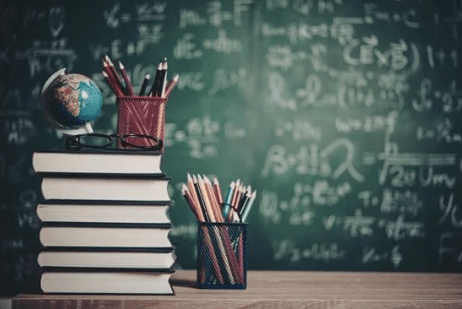
In an era defined by endless scrolling, algorithm-driven content, and fragmented attention, a surprising countertrend has emerged: the “personal curriculum.” What began as a niche social media idea has quickly evolved into a broader cultural movement centered on intentional learning, curiosity, and self-directed growth. Rather than passively consuming information, individuals are now designing their own “syllabi for life,” choosing what, how, and why they learn.
This blog post explores the origins of the personal curriculum trend, how to create one, its benefits, and key resources to help you begin.

What Is a Personal Curriculum?
A personal curriculum is a self-designed learning plan built around your interests, goals, and curiosities. Unlike traditional education systems, it is not tied to grades, credentials, or institutional requirements. Instead, it emphasizes intrinsic motivation—learning for the sake of growth, enjoyment, and personal enrichment.
At its simplest, a personal curriculum might include:
- A reading list
- A schedule of podcasts or lectures
- Creative projects or skill-building exercises
- Reflection practices like journaling
The defining feature is intentionality. Rather than consuming content randomly, participants choose subjects and engage with them deliberately. As one explanation notes, it is “a self-directed ‘course’ in the subjects and ideas that spark something inside you.”
How the Personal Curriculum Trend Started
The personal curriculum trend emerged in the mid-2020s, largely through social media platforms like TikTok and Instagram. It is widely credited to creator Elizabeth Jean (@xparmesanprincessx), who began sharing videos outlining monthly learning plans and personal “semesters.”
Social Media and the “Back-to-School” Aesthetic
The trend gained traction during seasonal transitions—particularly autumn—when “back-to-school” nostalgia is culturally prominent. Users began recreating that feeling by designing their own curricula, complete with subjects, schedules, and goals.
A Response to Digital Burnout
Equally important, the movement arose as a response to digital fatigue. Many participants explicitly frame their personal curriculum as an antidote to “doomscrolling”—the passive consumption of social media content.
Instead of spending hours scrolling, individuals redirect that time toward structured, meaningful learning. This shift reflects a broader desire to reclaim attention and engage more deeply with knowledge.
A Push Against Anti-Intellectualism
Some commentators also interpret the trend as a cultural response to anti-intellectualism. By making learning aesthetic, accessible, and self-directed, the personal curriculum reframes education as enjoyable rather than obligatory.

How to Create a Personal Curriculum
Designing a personal curriculum is flexible and highly individualized. However, several common steps can help structure the process.
1. Choose Your Themes
Start by identifying one or two areas of focus. These could include:
- Creative subjects (writing, art, music)
- Academic topics (history, philosophy, science)
- Practical skills (cooking, coding, languages)
Focusing on a small number of themes encourages depth rather than superficial engagement.
2. Define Your Learning Formats
A strong personal curriculum balances different modes of learning:
- Input: books, podcasts, lectures
- Action: projects, practice, experimentation
- Reflection: journaling, note-taking, discussion
This combination helps reinforce understanding and retention.
3. Build a Flexible Schedule
Unlike formal education, a personal curriculum should be adaptable. Many people structure their learning around:
- Weekly reading sessions
- Monthly themes
- Daily or hourly learning blocks
The key is consistency without rigidity. Even one hour per week can be effective if done intentionally.
4. Set Gentle Goals
Goals should be realistic and motivating rather than overwhelming. For example:
- Read one book per month
- Complete a short online course
- Practice a skill twice per week
Importantly, the emphasis is on progress, not perfection.
5. Track and Reflect
Reflection transforms activity into learning. Consider:
- Keeping a learning journal
- Writing weekly summaries
- Recording insights or questions
This step helps consolidate knowledge and maintain motivation.
6. Stay Flexible
Interests evolve, and your curriculum should too. Adjust topics, pacing, and goals as needed. The process is meant to be dynamic, not fixed.
Benefits of a Personal Curriculum
The popularity of the personal curriculum trend is not accidental. It offers a wide range of psychological, intellectual, and emotional benefits.
1. Rekindling Curiosity
Many adults lose their sense of curiosity after formal schooling. A personal curriculum reintroduces learning as a joyful, self-directed activity rather than an obligation.
2. Improved Mental Health
Engaging in meaningful activities can improve mood and reduce stress. Completing small learning tasks can trigger dopamine release, enhancing motivation and well-being.
Additionally, structured learning can help counter seasonal or motivational slumps by providing purpose and routine.
3. Reduced Screen Fatigue
By replacing passive scrolling with active learning, individuals can develop a healthier relationship with technology. This shift promotes deeper engagement and reduces feelings of time wasted.
4. Habit Building
A personal curriculum introduces gentle structure into daily life. This can help build consistent habits without the pressure of external evaluation.
5. Lifelong Learning
The trend reinforces the idea that education does not end with formal schooling. It encourages continuous intellectual growth and adaptability in a rapidly changing world.
6. Personal Empowerment
Designing your own curriculum fosters a sense of agency. You are no longer limited by institutional frameworks—you decide what knowledge matters to you.
Challenges and Criticisms
Despite its benefits, the personal curriculum trend is not without drawbacks.
1. Risk of Over-Optimization
Some critics argue that the trend can become another form of productivity pressure. When overly structured, it may replicate the stress of formal education.
2. Social Media Distortion
As the trend spreads online, some versions emphasize aesthetics or unrealistic goals (e.g., mastering multiple skills in a month). This can lead to burnout or feelings of inadequacy.
3. Lack of Accountability
Without external deadlines or evaluation, it can be difficult to maintain consistency. Success depends heavily on self-discipline and intrinsic motivation.
Resources for Building Your Personal Curriculum
Creating a personal curriculum is easier than ever thanks to the abundance of online resources. Below are some of the most useful tools and platforms.
Online Learning Platforms
- Coursera
- edX
- Udemy
- MIT OpenCourseWare
- Khan Academy
These platforms offer structured courses across a wide range of subjects, often for free or at low cost.
Educational YouTube Channels
- CrashCourse
- TED-Ed
- freeCodeCamp
- Kurzgesagt
Video-based learning can make complex topics more accessible and engaging.
Books and Libraries
- Project Gutenberg
- Open Library
- Libby
These services provide access to free or low-cost reading materials.
Note-Taking and Organization Tools
- Notion
- Obsidian
- Google Docs
These tools help track progress, organize materials, and reflect on learning.
Community Platforms
- Discord groups
- Book clubs
Learning alongside others can provide motivation, accountability, and new perspectives.
Many learners recommend combining multiple resources to create a well-rounded curriculum that includes both structured courses and exploratory content.
Conclusion: A New Model of Learning
The personal curriculum trend represents more than a passing social media fad. It reflects a deeper cultural shift toward intentional living, self-directed education, and reclaiming time in an attention economy.
By designing their own learning paths, individuals are rediscovering the joy of curiosity and the value of lifelong education. In doing so, they challenge traditional notions of schooling and demonstrate that meaningful learning does not require a classroom—only commitment, creativity, and curiosity.
Whether you dedicate an hour a week or build a full “semester” of study, the personal curriculum offers a powerful framework for growth in the modern world.
Bibliography (Chicago)
Cannon, Sophie Liza. “From Homeroom to Home: Enroll in TikTok’s Personal Curriculum Trend Now.” Forbes, October 27, 2025.
Jackson, Erica. “Transform Your Fall With the ‘Personal Curriculum’ Trend.” Goodnet, November 3, 2025.
Philogene, Haniyah. “Adults Are Reclaiming Their Time and Minds With the ‘Personal Curriculum’ Trend.” TheGrio, January 12, 2026.
“Personal Curriculum 101.” Plant Based Bride, December 1, 2025.
“Personal Curriculum: What Is It and How Do You Make One?” Her Campus.
Pursley, E.V. “TikTok’s Personal Curriculum Trend, Explained.” Her Campus.
“The Personal Curriculum Trend: How to Design a Path to Growth.” Camille Styles.
“The ‘Personal Fall Curriculum’ Trend: TikTok’s New Way of Battling Anti-Intellectualism.” Her Campus.
“Personal Curriculum 101.” Reddit, 2025.
“Feeling the Fall Slump? Try Building a ‘Personal Curriculum’ to Get Back on Track.” Real Simple, 2025.
 Ultimate Travel Adventures